Elevate Your Brand with Luxury Packaging Box Design
In the competitive landscape of modern retail, the unboxing experience is often the first tangible interaction a customer has with your brand. A Luxury Packaging Box does more than simply contain a product; it communicates value, craftsmanship, and attention to detail before the item is even revealed. For entrepreneurs, designers, and marketing professionals, understanding the nuances of high-end packaging design is essential for creating a memorable brand identity. Whether you are launching a new fragrance line or rebranding an existing product suite, the visual impact of your packaging can significantly influence consumer perception and purchasing decisions.
The Strategic Value of Premium Packaging
Packaging is frequently referred to as the "silent salesman." In a digital-first world where physical touchpoints are limited, the quality of your box becomes a critical proxy for the quality of your product. A well-designed Luxury Perfume Packaging Box, for instance, sets the tone for the sensory experience inside. It suggests exclusivity and care. When customers receive a package that feels substantial and looks refined, their perceived value of the product increases. This psychological boost is not just about aesthetics; it is a strategic business tool that can justify premium pricing and foster brand loyalty.
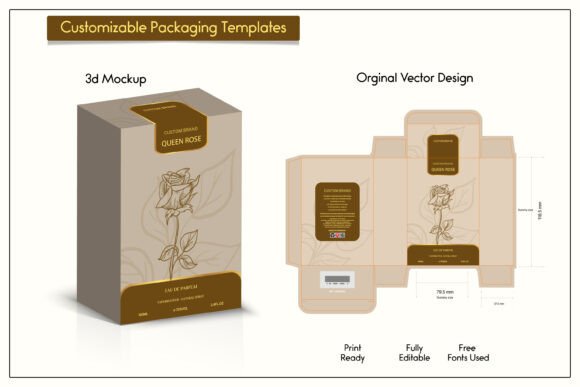
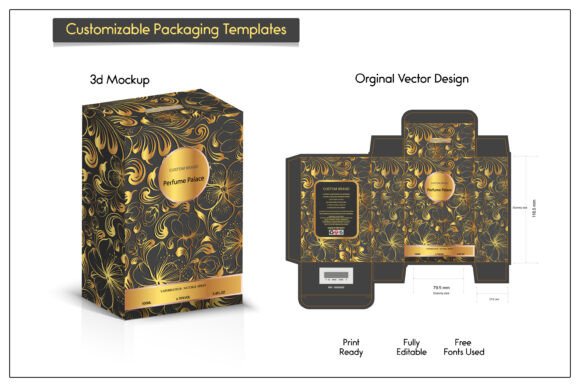
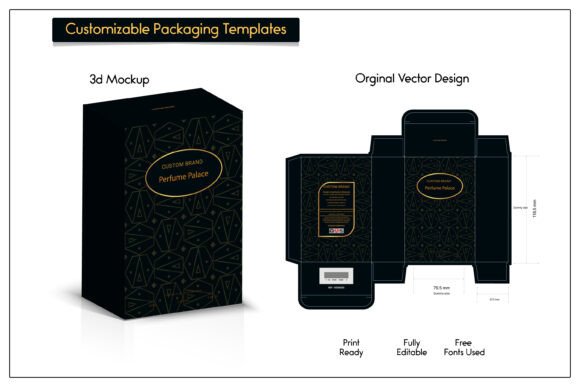
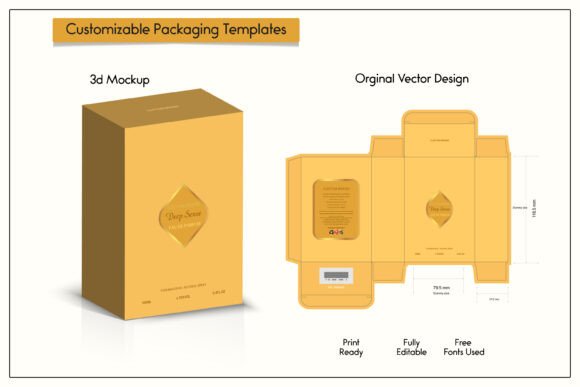
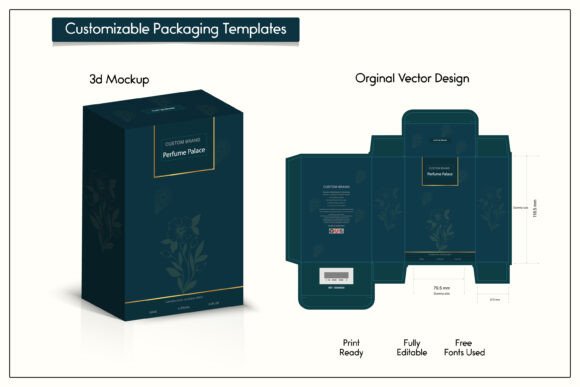
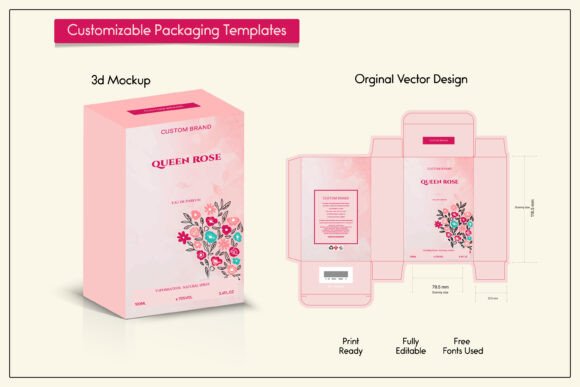
For creators and small business owners, investing in professional design assets allows you to compete with established giants without the overhead of custom manufacturing runs for every prototype. By utilizing high-quality 3D Box die line templates and vector designs, you can visualize and refine your packaging concepts digitally before committing to physical production. This approach minimizes waste and ensures that the final product aligns perfectly with your brand vision.
Key Characteristics of Effective Luxury Design
What distinguishes a standard box from a luxury one? The difference lies in the details. High-end packaging relies on precise geometry, sophisticated typography, and thoughtful use of space. When working with a Box Mockup, you have the freedom to experiment with various frames and Design elements that enhance the overall composition. These elements might include gold foil accents, embossed textures, or minimalist layouts that let the product shine.
A crucial component of this process is the accuracy of the 3d Box die line. The die line serves as the blueprint for the physical box, dictating where cuts, folds, and glues occur. A poorly constructed die line can result in a box that does not assemble correctly or looks awkward when displayed. Professional vector templates ensure that these technical aspects are handled with precision, allowing you to focus on the creative side of the design. Because these files are vector-based, they can be scaled to any size without losing quality, making them versatile for various product dimensions.
Versatility Across Industries
While often associated with cosmetics and jewelry, the principles of Luxury Packaging Box Design apply across numerous industries. Tech startups use sleek, minimalist boxes to convey innovation. Artisanal food brands utilize elegant packaging to highlight the gourmet nature of their products. Even educational institutions and corporate entities use premium packaging for gift sets, awards, and promotional materials to reinforce their professional image.
For freelancers and graphic designers, having access to editable Vector design Template files is invaluable. It allows for rapid prototyping and customization. You can create a design and place it above in a separate layer, experimenting with different color palettes and logos until the perfect balance is achieved. This flexibility supports a wide range of applications, from personal hobby projects to large-scale commercial launches.
The Power of 3D Illustration and Mockups
Visualizing a flat design in three-dimensional space is challenging. This is where 3D Illustration and mockups become indispensable tools. A high-quality mockup allows you to see how light interacts with the surface of the box, how shadows fall, and how the design elements wrap around the edges. This realistic preview helps identify potential design flaws early in the process. For example, text that looks clear on a 2D plane might become distorted or hard to read when wrapped around a corner in 3D space.
Using a Box Mockup labels system enables you to present your designs to clients or stakeholders with confidence. Instead of describing the final product, you can show it. This enhances communication and reduces the likelihood of misunderstandings during the approval process. Furthermore, these mockups are excellent for marketing materials. You can use them in online stores, social media campaigns, and pitch decks to generate excitement before the physical product is even manufactured.
Technical Considerations and File Formats
When selecting design assets, it is important to understand the file formats involved. Professional packaging design typically requires vector files for scalability and print-ready resolution. A comprehensive package should include:
- AI File: The native Adobe Illustrator file, which allows for full editing of vectors, layers, and text.
- PDF Print File: A high-resolution PDF suitable for sending directly to printers, ensuring that colors and fonts are embedded correctly.
- Jpg File: A raster image useful for quick previews, web displays, and sharing concepts with non-designers.
These files are usually delivered in a compressed zip archive. You can use free software like WinRAR or WinZip to unzip the file and access the contents. It is important to note that these are digital cut files and mockups. No physical items will be mailed to you. Additionally, while the design template is editable, it does not include the structural engineering template for manufacturing the physical box itself. You will need to work with a packaging manufacturer who can translate your design into a production-ready format based on their specific machinery and material constraints.
Practical Tips for Implementation
To get the most out of your Luxury Packaging Box design, consider the following recommendations:
- Know Your Dimensions: Before starting the design, confirm the exact dimensions of your product. Allow for slight tolerances to ensure the product fits snugly but not too tightly.
- Consider Material Finishes: Think about how your design will look on different materials. Matte finishes offer a modern, understated elegance, while gloss finishes can make colors pop. Foil stamping and embossing add tactile interest.
- Keep It Legible: Ensure that all text, especially regulatory information and branding, is legible at the final print size. Avoid placing critical information near fold lines or cut edges.
- Test Your Mockups: Use the 3D mockups to view your design from multiple angles. Check for continuity in patterns and alignment of logos across panels.
By leveraging professional 3d Box Packaging Design resources, you can elevate your brand presence and create a lasting impression on your customers. The investment in high-quality design assets pays dividends in perceived value, brand consistency, and customer satisfaction. Whether you are a seasoned designer or a business owner handling your own branding, these tools provide the foundation for creating packaging that truly stands out.
Remember, the goal is not just to protect the product, but to enhance the experience of receiving it. A Fragrance Perfume luxury box should feel like a gift, even if the customer bought it for themselves. By paying attention to the details of frames and Design elements, utilizing accurate Box die line templates, and presenting your work through compelling 3D Illustration, you create a cohesive and impactful brand narrative. Start with a strong vector foundation, customize it to fit your unique needs, and watch your product transformation unfold.