Mastering 3D Box Packaging Design: A Guide to Luxury, Sustainability, and Precision
In the competitive landscape of modern retail, product packaging design has evolved from a mere protective necessity into a powerful marketing tool. Whether you are launching a new fragrance line or rebranding an existing consumer good, the visual impact of your box can determine whether a customer picks up your product or walks past it. This is where 3D box packaging design becomes essential. By combining technical precision with artistic flair, businesses can create luxury packaging boxes that not only protect their contents but also tell a compelling brand story.
Understanding the intersection of box die lines, 3D illustrations, and vector design templates is crucial for anyone involved in custom packaging box design. This article explores how these elements come together to create premium packaging box designs for all industries, ensuring that your product stands out on the shelf while adhering to sustainable packaging solutions.
The Foundation: Understanding Box Die Lines and Technical Precision
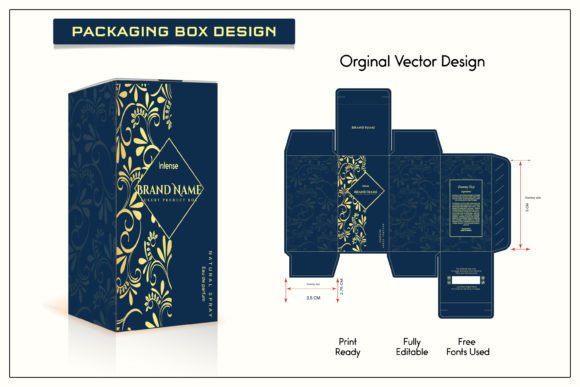
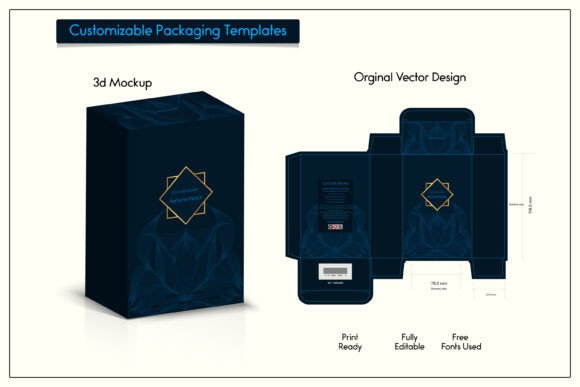
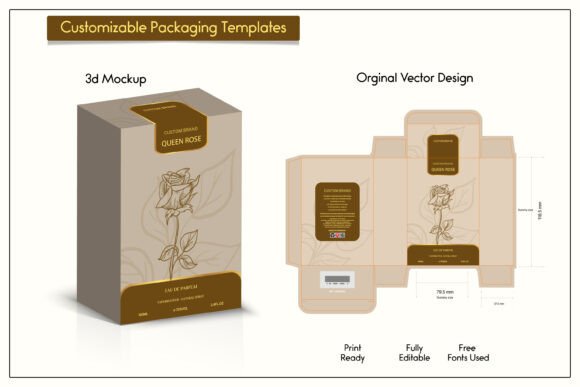
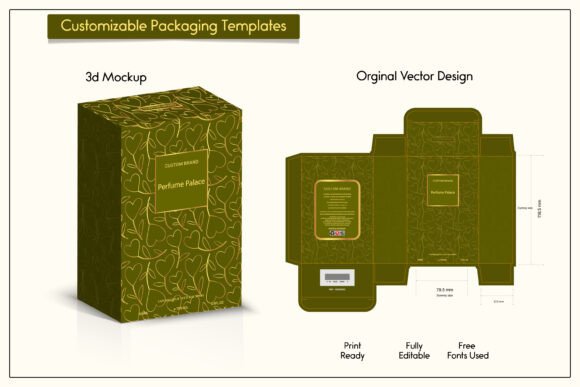
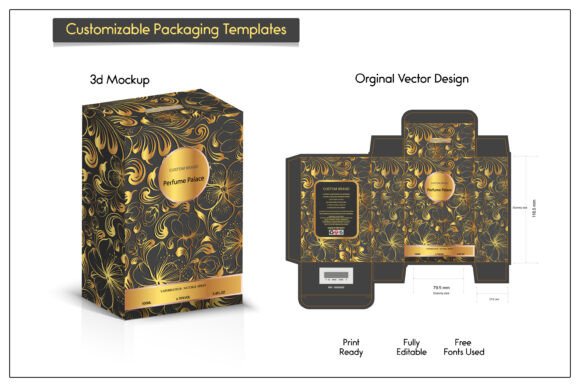
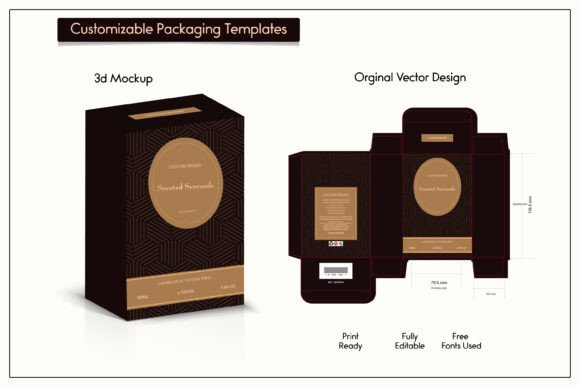
Before any creative design element is applied, the structural integrity of the package must be established. This begins with the 3D box die line. A die line is essentially the blueprint of your packaging. It is a flat, two-dimensional template that indicates where the material will be cut, folded, and glued. Without an accurate die line, even the most beautiful 3D illustration will fail to translate into a functional physical product.
For designers and manufacturers, precision is non-negotiable. A corrugated packaging design requires different tolerances than a rigid luxury packaging box used for high-end perfumes. When you utilize a professional vector design template, you ensure that every fold and cut is mathematically precise. This prevents common issues such as misaligned graphics or boxes that do not close properly. By starting with a robust box mockup framework, you lay the groundwork for a seamless transition from digital concept to physical reality.
Why Vector Formats Matter in Packaging
One of the most critical aspects of professional packaging design trends is the use of vector graphics. Unlike raster images (such as JPEGs), which can become pixelated when enlarged, vector files maintain their clarity at any size. This is particularly important for bespoke packaging box projects where logos, text, and intricate design elements must remain crisp regardless of the box dimensions.
When you work with 100 original vector designs and artwork, you gain the flexibility to resize components without any loss of quality. This scalability allows brands to adapt a single design concept across various product sizes, ensuring consistent branding across an entire product line. Whether you are designing a small sample size for a fragrance perfume luxury box or a large retail display unit, vector assets ensure professional results.
Elevating Brand Perception with Luxury and 3D Illustration
Once the technical structure is defined, the focus shifts to aesthetics. Luxury packaging box design relies heavily on visual depth and texture, which can be effectively simulated through 3D packaging box design vectors. These advanced digital representations allow designers to visualize how light interacts with different materials, such as matte finishes, gloss spots, or metallic foils.
For industries like cosmetics and spirits, the unboxing experience is part of the product itself. A well-executed 3D illustration can showcase frames and design elements that highlight the product’s premium nature. For instance, a fragrance perfume box might feature embossed patterns or window cutouts that are previewed in the 3D model before production. This level of detail helps stakeholders approve designs with confidence, reducing the risk of costly errors during manufacturing.
Moreover, creative packaging ideas often emerge during the 3D modeling phase. Designers can experiment with unconventional shapes, magnetic closures, or intricate inner structures that enhance the user experience. By leveraging innovative packaging design techniques, brands can create a tactile and visual journey that resonates with consumers on an emotional level.
Sustainability: The Future of Retail Packaging Design
In today’s environmentally conscious market, eco-friendly packaging design is no longer optional—it is expected. Consumers are increasingly aware of the environmental impact of waste, prompting brands to seek sustainable packaging solutions. Fortunately, modern 3D box packaging design tools allow for the optimization of material usage, reducing waste without compromising structural integrity.
Corrugated packaging design, for example, offers a durable yet recyclable option for shipping and retail. By using efficient box die lines, designers can minimize off-cuts and maximize the yield from each sheet of material. Additionally, the shift towards minimalist retail packaging design encourages the use of fewer inks and simpler structures, which are easier to recycle.
Integrating sustainability into your product packaging design strategy also involves choosing the right materials. Biodegradable papers, soy-based inks, and reusable components are becoming standard in premium packaging box design for all industries. By highlighting these eco-friendly choices in your box mockup labels and marketing materials, you can appeal to a broader audience that values corporate responsibility.
Practical Application: From Digital File to Physical Product
Transitioning from a digital concept to a physical product requires a streamlined workflow. When you invest in professional custom packaging box design resources, you typically receive a comprehensive file package. Understanding what these files contain and how to use them is vital for successful production.
Typically, a complete design package will include:
- AI File: An Adobe Illustrator file containing editable vector layers. This is the master file for making changes to text, colors, and layout.
- PDF Print File: A high-resolution PDF optimized for printing, ensuring that fonts are embedded and colors are converted to CMYK for accurate reproduction.
- JPG File: A raster image useful for quick previews, online presentations, or sharing concepts with stakeholders who do not have design software.
To access these files, you will often receive a zip archive. You can use free software like WinRAR or WinZip to extract the contents. Once unzipped, you can begin customizing the vector design template to fit your specific needs. Because the artwork is vector-based, you can resize elements to fit any product box dimension. Furthermore, you can create new design layers and place them above the existing template, allowing for easy experimentation with different branding elements.
Common Misconceptions in Packaging Design
A common misunderstanding among beginners is that a pretty picture equals a good package. However, packaging design trends emphasize functionality alongside aesthetics. A box that looks stunning in a 3D illustration but is difficult to assemble or fails to protect the product is a design failure. Another misconception is that luxury packaging must be expensive. With smart die line engineering and clever use of print finishes, brands can achieve a high-end look without exorbitant costs.
Conclusion: Embracing Innovation in Packaging
The world of 3D box packaging design is dynamic and ever-evolving. By mastering the technical aspects of box die lines and leveraging the creative potential of 3D illustrations and vector templates, businesses can create packaging that truly stands out. Whether you are focusing on eco-friendly packaging design or aiming for the utmost in luxury packaging box aesthetics, the principles remain the same: precision, creativity, and sustainability.
As you embark on your next custom packaging box design project, remember that the right tools and knowledge can transform a simple box into a powerful brand ambassador. Explore innovative packaging design options, stay updated on packaging design trends, and always prioritize the user experience. With the right approach, your packaging will not just hold a product—it will elevate it.