Mastering Packaging Box Design with Box Die Line for Premium Results
In the competitive landscape of modern retail, the first interaction a customer has with your product is rarely the product itself—it is the box it arrives in. This initial touchpoint defines perceived value, builds anticipation, and sets the tone for the brand experience. For entrepreneurs, designers, and small business owners, understanding the technical backbone of Packaging Box Design with Box Die Line is not just an optional skill; it is a critical component of successful product launches. Whether you are launching a new fragrance line, shipping artisanal goods, or rebranding an existing product, the precision of your structural design determines whether your packaging looks professional or amateurish.
Many creators underestimate the complexity of translating a 3D concept into a 2D printable file. A beautiful graphic design can fail completely if the underlying structure—the die line—is incorrect. This guide explores how leveraging high-quality vector templates, 3D illustrations, and accurate die lines can transform your packaging strategy across various industries.
The Critical Role of the Die Line in Structural Integrity
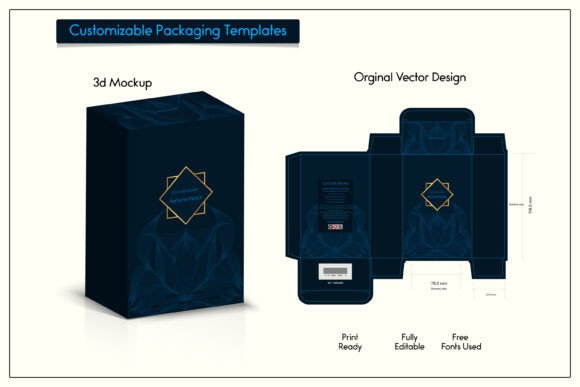
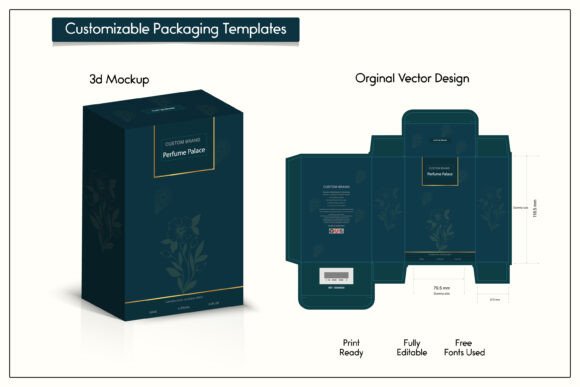
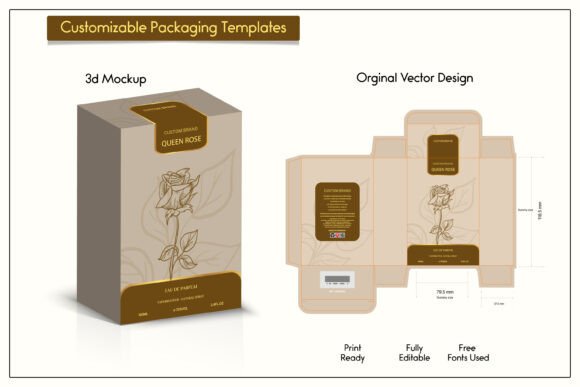
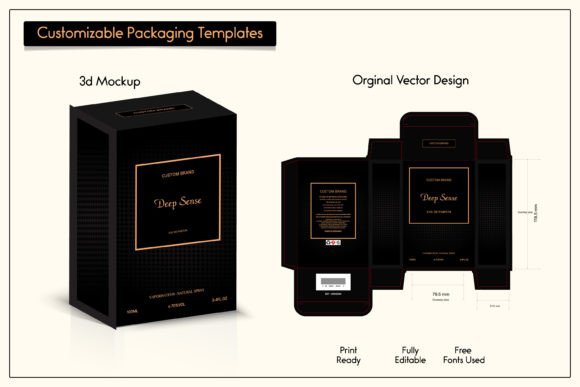
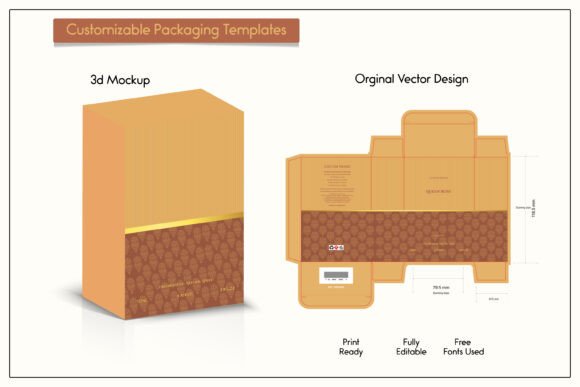
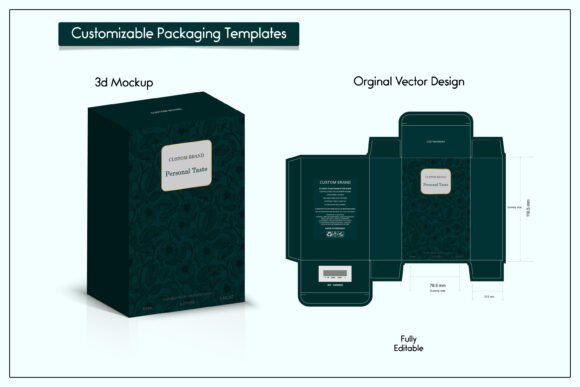
A die line is essentially the blueprint of your package. It is a vector template that indicates where the material needs to be cut, folded, and glued. Without a precise die line, even the most stunning luxury packaging box design will result in a misaligned, weak, or unusable container. When you work with a 3D packaging box design vector, you are working with a digital twin of the physical object. This allows you to visualize exactly how panels will align before a single sheet of cardboard is printed.
For those new to the process, the distinction between the visual layer and the structural layer is vital. The visual layer contains your logos, colors, and typography. The structural layer, defined by the die line, contains the cut lines and fold lines. Professional designers keep these on separate layers within their AI or PDF files. This separation ensures that when you send files to a manufacturer, there is no ambiguity about where the blade should cut. If you are creating a bespoke packaging box for a high-end client, this precision is non-negotiable. A millimeter of error can mean the box lid does not close properly, ruining the unboxing experience.
Elevating Brand Perception Through Luxury and Fragrance Packaging
The fragrance and cosmetics industries rely heavily on tactile and visual appeal. A fragrance perfume luxury box is not merely a container; it is part of the product’s identity. Consumers expect heavy stock, elegant finishes, and flawless construction. Using a pre-engineered vector design template for these sectors allows designers to focus on the aesthetic elements—such as foil stamping areas, embossing frames, and minimalist typography—without worrying about the structural mathematics.
Consider the scenario of a niche perfumer launching a limited edition scent. They need a box that feels substantial and expensive. By utilizing a 3D illustration of the box during the design phase, they can test different colorways and material textures virtually. This reduces waste and cost associated with physical prototyping. Furthermore, having access to editable box mockup labels and design elements means that marketing teams can create consistent promotional materials that match the physical product perfectly. The ability to resize vector artwork without loss of quality ensures that the same design logic can be applied to travel-sized samples and full-size bottles seamlessly.
Sustainable Solutions for the Eco-Conscious Market
Sustainability is no longer a trend; it is a consumer expectation. Eco-friendly packaging design requires careful consideration of materials and efficiency. Corrugated packaging design offers a robust solution for shipping heavier items while maintaining recyclability. However, sustainable design also means minimizing waste during the production process. Accurate die lines ensure that nesting—the arrangement of multiple box shapes on a single sheet of material—is optimized. This reduces scrap material and lowers the carbon footprint of production.
When designing sustainable packaging solutions, the choice of ink and finish matters as much as the structure. Vector templates allow designers to specify spot colors and eco-friendly coatings precisely. For small business owners, adopting innovative packaging design that uses less material but maintains structural integrity can be a significant selling point. A well-designed box that uses minimal glue and relies on smart folding mechanisms appeals to environmentally conscious buyers and reduces assembly time for fulfillment teams.
Versatility Across Industries and Use Cases
The utility of professional packaging box design extends far beyond luxury goods. Here is how different users benefit from high-quality vector templates and die lines:
- E-commerce Entrepreneurs: For online sellers, the shipping box is the only physical touchpoint. A custom retail packaging design that includes branded interior prints or unique opening mechanisms creates a memorable unboxing experience that encourages social media sharing.
- Food and Beverage Brands: Safety and compliance are paramount. Precise die lines ensure that food-grade boxes seal correctly, preserving freshness. Custom shapes can differentiate a product on crowded supermarket shelves.
- Educators and Students: Learning packaging design requires practical tools. Access to editable AI and PDF files allows students to experiment with structural engineering without starting from scratch, fostering creativity and technical skill development.
- Marketing Agencies: Agencies often need to present concepts quickly. Using 3D box packaging design mockups allows them to show clients realistic renderings of how a design will look in real life, speeding up the approval process.
Technical Considerations Before You Start Designing
Before downloading or purchasing a custom packaging box design template, there are several factors to consider to ensure the final product meets your needs. First, verify the file formats. A professional package should include an AI file for editing in Adobe Illustrator, a PDF print file for direct sending to printers, and high-resolution JPGs for previewing. Ensure that the vector paths are clean and closed, as open paths can cause cutting errors.
Second, consider the material thickness. A die line designed for thin cardstock will not work for thick corrugated board. The fold allowances and glue tabs must be adjusted based on the material’s gsm (grams per square meter). Most high-quality templates provide guidelines for these adjustments, but it is crucial to consult with your manufacturer early in the process.
Third, think about scalability. One of the primary advantages of vector design is infinite scalability. You should be able to resize the box dimensions to fit different product variants without distorting the design elements. Look for templates that use global swatches and linked assets, making it easy to update colors or logos across multiple box sizes simultaneously.
Maximizing Value with Digital Assets
Investing in professional packaging design trends resources pays dividends in time saved and quality achieved. When you acquire a comprehensive zip file containing AI, PDF, and JPG assets, you are buying efficiency. You can unzip these files using free software like WinRAR or WinZip and immediately begin customizing. The ability to place your design on a separate layer above the die line template allows for non-destructive editing. You can experiment with bold patterns, subtle gradients, or intricate frames and design elements without risking the structural integrity of the base file.
Moreover, these assets serve as a foundation for creative packaging ideas. Instead of reinventing the wheel for every project, designers can modify existing structures to create something unique. This approach allows for rapid iteration and testing, which is essential in fast-moving markets. Whether you are designing a simple mailer box or a complex multi-piece luxury set, starting with a solid, professionally drafted die line ensures that your creative vision translates accurately into the physical world.
In conclusion, mastering the interplay between aesthetics and structure is key to successful product presentation. By utilizing precise Packaging Box Design with Box Die Line templates, businesses and creators can ensure consistency, reduce waste, and elevate their brand perception. The right tools empower you to turn a simple box into a powerful marketing asset.