Mastering the Santa Deer Confetti Shaker SVG for Professional 3D Paper Crafts
The intersection of digital design and tactile craftsmanship has opened new avenues for creators seeking to produce intricate, interactive holiday decorations. Among the most engaging projects in this space is the Santa Deer Confetti Shaker SVG, a design that transforms flat materials into dynamic, three-dimensional art pieces. This specific project combines the whimsical charm of Christmas iconography with the mechanical intrigue of a shaker mechanism, resulting in a piece that is visually captivating both statically and in motion. For designers, educators, and hobbyists, understanding the nuances of this file set is essential for achieving professional-grade results.
Understanding the Mechanics of 3D Layered Design
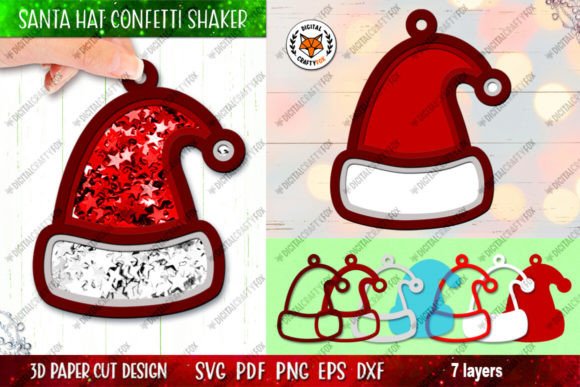
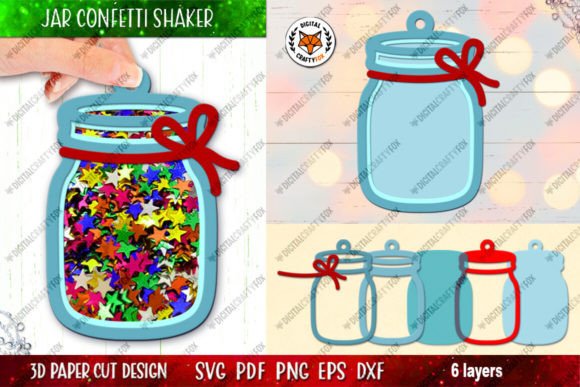
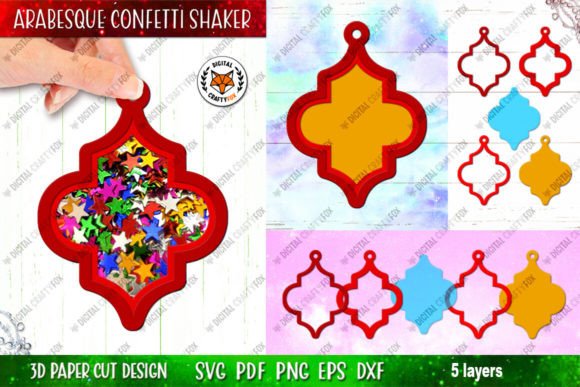
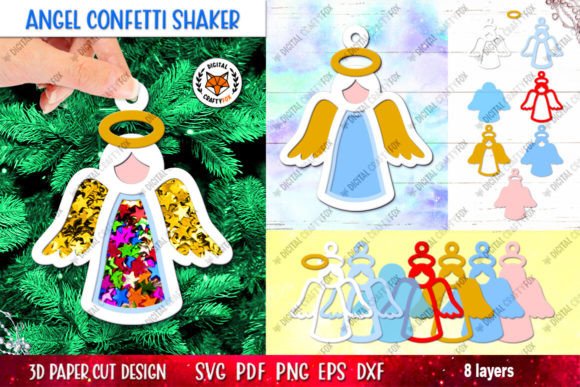
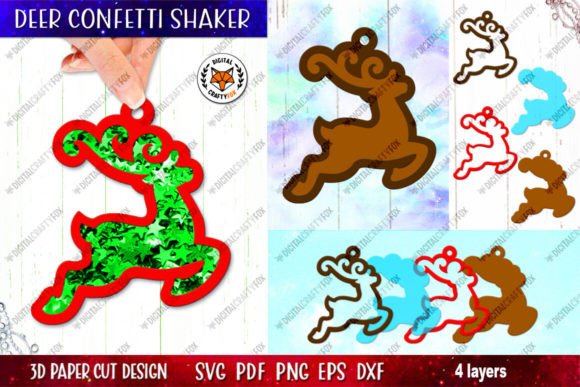
At its core, the Christmas Deer Confetti Shaker relies on the principle of layered depth. Unlike traditional paper cutting, which often results in a single-plane silhouette, this design utilizes multiple strata to create a enclosed volume. The primary objective is to construct a sealed chamber where loose elements—such as glitter, sequins, or tiny paper confetti—can move freely. This movement adds a kinetic element to the decoration, making it particularly appealing for window hangings or interactive children’s toys.
The structural integrity of the shaker depends heavily on the spacing between layers. If the layers are too close, the confetti will not flow smoothly; if they are too far apart without adequate support, the structure may become fragile. The design addresses this by incorporating specific architectural features, such as reinforced rims and interlocking tabs, which ensure that the final product is durable enough to withstand handling while maintaining the necessary internal volume for the shaking effect.
Material Selection for Optimal Performance
Choosing the right materials is critical to the success of any paper craft project, but it is especially vital for functional items like shakers. The 3D Christmas toy design requires a combination of rigid structural components and flexible transparent barriers. For the opaque layers that form the deer’s body and the decorative frame, standard cardstock is often sufficient. However, for the layer that holds the confetti and gives it height, creators should consider more robust options.
- Thick Cardboard: Provides excellent rigidity and is ideal for larger versions of the toy. It ensures the shaker maintains its shape even when shaken vigorously.
- Felt: Offers a soft, textured aesthetic and can dampen sound, though it may require stronger adhesives to maintain a seal.
- Foam or Foamin: These materials are perhaps the most effective for creating depth. They add significant height to the shaker chamber, allowing for more dramatic movement of the confetti. Foam sheets are also easy to cut and adhere, making them a favorite among beginners and professionals alike.
- Double-Sided Tape: While not a structural material per se, high-quality double-sided foam tape is indispensable. It acts as both an adhesive and a spacer, ensuring a tight seal that prevents confetti from escaping.
For the transparent window that allows viewers to see the confetti inside, clarity and flexibility are key. Thin silicone material, such as the clear covers found on notebooks or plastic folders, works exceptionally well. These materials are durable, transparent, and flexible enough to conform to the edges of the shaker frame without cracking. Avoid using brittle plastics like acetate if the shaker is intended for frequent use, as they may snap under pressure.
Navigating the File Formats and Digital Assets
The versatility of the Santa Deer Confetti Shaker SVG package lies in its comprehensive file inclusion. Designed to accommodate a wide range of cutting machines and manual crafting techniques, the zip archive provides a diverse array of formats. Understanding which file to use for your specific workflow can significantly streamline the production process.
The archive includes DXF files, which are universally compatible with most professional cutting software. These are particularly useful for users of older or industrial-grade cutters that may not support newer vector formats. Alongside these, the SVG files offer scalable vector graphics that are ideal for users of popular consumer cutting machines like Cricut or Silhouette. SVGs retain their quality at any size, allowing creators to scale the design up for large wall decorations or down for ornament-sized projects, although caution is advised regarding minimum sizes.
For those who prefer working in Adobe Illustrator or CorelDRAW, the EPS10 files provide editable vector paths that can be manipulated further before cutting. Additionally, the inclusion of PNG files at 300 dpi on a transparent background is invaluable for digital mockups or for users who wish to print the design onto pre-colored paper. The RGB color profile ensures that the colors appear vibrant on screens, aiding in visual planning before physical production begins.
A unique feature of this package is the inclusion of special strips with teeth. These are not merely decorative; they serve a functional purpose in creating a high rim to hold the confetti. These glue-strips are designed to interlock or adhere in a way that maximizes the internal volume of the shaker. The EPS10, PNG, SVG, and DXF files all contain these specialized components, ensuring that regardless of the format chosen, the structural integrity of the shaker can be maintained.
Assembly Workflow and Best Practices
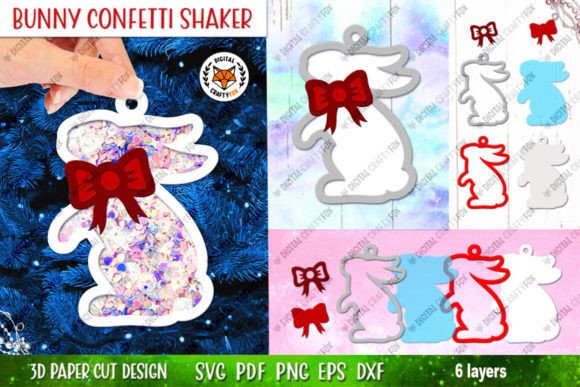
Successful assembly of the 3D layered design requires patience and precision. The files provided include numbered layers, which serve as a step-by-step instruction guide for gluing. Following this order is crucial to ensure that the transparent window is sealed correctly and that the confetti chamber is fully enclosed before the final decorative layers are added.
- Preparation: Begin by cutting all layers from your chosen materials. Ensure that the transparent silicone or plastic window is cut cleanly, as any jagged edges may compromise the seal.
- Base Construction: Start with the bottom layer of the deer’s body. Apply adhesive to the designated areas, paying special attention to the rims that will form the walls of the shaker.
- Installing the Window: Place the transparent material over the base layer. Press firmly around the edges to ensure a complete seal. Any gaps here will result in confetti leakage later.
- Adding Confetti: Before sealing the top layer, add your chosen filler. Glitter, micro-beads, or small paper shapes work best. Avoid overfilling, as this can restrict movement and make the shaker appear cluttered.
- Sealing the Top: Align the top layer carefully with the base. Use the numbered guides to ensure proper placement. Press down firmly, especially around the edges, to lock the confetti inside.
- Final Details: Add any remaining decorative elements, such as the deer’s antlers or Santa’s hat, to complete the look.
It is important to note that while the design can be scaled up for larger projects, making the shaker too small is not recommended. A very small size makes it inconvenient to fill with glitter and difficult to achieve a smooth shaking effect. The internal volume needs to be sufficient to allow the particles to move freely, creating the desired visual impact.
Creative Variations and Alternative Uses
While the primary function of the Christmas Deer Confetti Shaker is to serve as a kinetic decoration, the design files offer flexibility for alternative applications. For those who prefer a simpler project, the shaker mechanism can be omitted entirely. By removing the transparent window and the spacer layers, creators can cut out a static 3D toy or a multi-layered wall hanging. This approach reduces the complexity of the assembly process and allows for the use of thinner materials, making it suitable for quick gift tags or card embellishments.
Educators can utilize these files to teach principles of geometry and engineering. The layered construction demonstrates how two-dimensional shapes can be combined to create three-dimensional structures. Students can experiment with different materials to observe how weight and flexibility affect the final product. Furthermore, the act of filling and sealing the shaker encourages fine motor skill development and attention to detail.
For business owners and professional crafters, the Santa Deer Confetti Shaker SVG represents a valuable asset for holiday product lines. The unique combination of traditional Christmas imagery with modern interactive design appeals to consumers looking for distinctive decorations. By offering both assembled products and digital downloads, creators can cater to different market segments, from those who seek ready-made decor to DIY enthusiasts who enjoy the crafting process.
Technical Considerations for Digital Download Users
When purchasing digital assets like this, it is essential to understand the limitations and responsibilities associated with file usage. The files are for digital download only, meaning no physical product will be shipped. Users must have access to appropriate cutting equipment and materials to bring the design to life. Compatibility with various software platforms is ensured through the inclusion of multiple file types, but users should verify that their systems can open and process DXF, SVG, EPS, and PDF files.
If you encounter any issues with file compatibility or have questions about the assembly process, direct contact with the designer is encouraged. Most creators are willing to provide troubleshooting advice to ensure customer satisfaction. Additionally, if the product meets your expectations, rating the store helps support the developer and assists other users in finding high-quality resources. Thank you for visiting and exploring the creative possibilities of this innovative design.