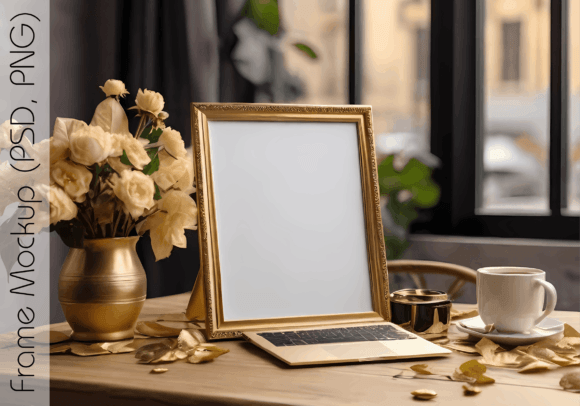
3D Mockup Golden Frame: A Practical Guide for Digital Artists
In the competitive landscape of digital art and online retail, presentation is often as critical as the artwork itself. A 3D Mockup, Golden Frame serves as a vital tool for designers, illustrators, and shop owners who need to showcase their creations in a realistic, professional context. This type of asset allows users to visualize how a two-dimensional design will appear when printed and framed, providing potential customers with a tangible sense of scale, texture, and aesthetic appeal. By utilizing high-quality mockups, creators can bridge the gap between digital files and physical products, enhancing the perceived value of their work.
Understanding the Utility of 3D Framed Mockups
A 3D mockup is essentially a pre-designed template that simulates a real-world object. In this specific case, the object is a golden frame, rendered with three-dimensional depth, lighting, and shadow effects. The primary function of a 3D Mockup, Golden Frame is to allow artists to place their own artwork within the frame digitally. This process eliminates the need for costly physical photoshoots or printing prototypes every time a new design is created.
The "golden" aspect refers to the finish of the frame, which implies a level of luxury, elegance, and classic style. Gold frames are frequently associated with traditional art, formal portraits, and high-end decor. Therefore, using this specific type of frame suggests a certain positioning for the artwork—often targeting audiences who appreciate sophistication and timeless design. The 3D element ensures that the image does not look flat; instead, it interacts with light sources, casting shadows on the wall behind it and reflecting light on the frame’s surface, which adds significant realism.
Key Features and Technical Specifications
When evaluating a mockup asset, technical specifications play a crucial role in determining its usability and final output quality. A professional-grade 3D Mockup, Golden Frame typically comes with several key features that facilitate ease of use and high-quality results.
- Official 3x4 Ratio: The standard aspect ratio of 3x4 is versatile, fitting common print sizes such as 6x8 inches, 9x12 inches, or 12x16 inches. This ratio is widely accepted in both home decor and gallery settings, making it a safe choice for general-purpose displays.
- Fully Editable PSD Files: The inclusion of Photoshop (PSD) files is essential for customization. These files utilize smart objects, allowing users to simply drag and drop their artwork into a designated layer. The software automatically adjusts the perspective and lighting to match the frame.
- High Resolution (300 DPI): For any asset intended for commercial use or high-quality web display, a resolution of 300 dots per inch (DPI) is the industry standard. This ensures that the details of the frame’s texture and the artwork remain sharp, even when viewed closely or printed.
- Well-Organized Layers: A well-structured file saves time. Layers should be clearly labeled, separating the frame, the glass reflection, the shadow, and the background wall. This organization allows for precise adjustments without affecting other elements of the composition.
- PNG Options: While PSDs offer maximum editability, PNG files provide a quick solution for users who do not have access to Adobe Photoshop or need a faster workflow for social media updates.
Benefits for Online Shops and Social Media
The decision to use a 3D Mockup, Golden Frame is often driven by the need to improve conversion rates and engagement. For online shops, such as those on Etsy, Shopify, or independent portfolios, product images are the primary sales driver. Customers cannot physically touch the product, so they rely on visual cues to judge quality. A realistic mockup provides these cues, showing how the art looks in a domestic or gallery setting.
On social media platforms like Instagram, Pinterest, and TikTok, aesthetics drive visibility. Posts featuring high-quality, lifestyle-oriented images tend to perform better than simple flat scans of artwork. A golden frame adds a touch of prestige, helping the post stand out in a crowded feed. Furthermore, because the mockup is fully editable, creators can rapidly test different artworks against the same background, maintaining a consistent brand aesthetic while showcasing variety.
Considerations and Tradeoffs
While the benefits are clear, there are important considerations to keep in mind. First, it is crucial to understand that the artwork displayed in the preview is for demonstration purposes only and is not included in the download. Users must supply their own high-resolution images. If the source artwork is low resolution, the final mockup will appear pixelated, regardless of the 300 DPI quality of the frame template.
Another tradeoff involves the specific style of the golden frame. Gold is a distinct aesthetic choice. It pairs beautifully with warm tones, classical paintings, and bold, colorful graphics. However, it may clash with minimalist, industrial, or ultra-modern interior design themes. If a designer’s target audience prefers Scandinavian or brutalist decor, a silver, black, or wood-frame mockup might be a more appropriate alternative. Therefore, understanding the target demographic is essential before committing to a specific frame style.
Additionally, while the 3x4 ratio is common, it is not universal. Artists specializing in panoramic landscapes or square formats may find this ratio limiting. However, many PSD files allow for some degree of resizing, though extreme adjustments can distort the perspective of the 3D render. Users should verify if the file supports non-destructive scaling for their specific needs.
When to Use This Mockup
This 3D Mockup, Golden Frame is a strong fit in several specific scenarios:
- Luxury or Classic Art Sales: If the artwork features oil painting styles, portraits, or intricate illustrations, the gold frame enhances the perceived value and aligns with traditional framing choices.
- Holiday and Gift Marketing: During gift-giving seasons, framed art is a popular purchase. A realistic mockup helps buyers visualize the item as a ready-to-hang gift, reducing hesitation.
- Portfolio Presentations: Designers seeking employment or commissions can use these mockups to present their work in a professional context, demonstrating how their designs translate to physical media.
- Social Media Consistency: Brands that want to maintain a cohesive, elegant look across their social channels can use this mockup as a template for all their art reveals.
Alternatives and Decision-Making Insights
If the golden frame does not align with your brand identity, consider alternatives. Black frames offer a modern, gallery-standard look that suits almost any art style. Wooden frames provide a rustic or organic feel, ideal for nature-themed illustrations. Floating frames are another option for canvas prints, offering a contemporary edge.
When selecting a mockup, evaluate the lighting environment. Some mockups feature bright, airy rooms, while others use moody, dark backgrounds. The lighting should complement the mood of the artwork. A cheerful, bright illustration may look out of place in a dimly lit, dramatic room setting. Conversely, a dark, moody piece might get lost in a high-key, white-wall environment.
Finally, consider the licensing terms. This specific asset allows for both Personal and Commercial Use, which is a significant advantage for professional designers. Always double-check license agreements to ensure compliance, especially if the mockup will be used in large-scale advertising or resold as part of a bundle.
Conclusion
A 3D Mockup, Golden Frame is a powerful asset for any visual creator looking to elevate their presentation. By combining high-resolution textures, realistic lighting, and an elegant aesthetic, it helps bridge the gap between digital creation and physical perception. Whether for an online shop or social media portfolio, this tool offers a practical, efficient way to showcase artwork. However, success depends on matching the frame’s style to the target audience and ensuring the source artwork meets high-quality standards. By carefully considering these factors, designers can make informed decisions that enhance their brand and engage their audience effectively.