Visualizing Brand Impact: A Practical Guide to the Outdoor Circle Board Mockup
In the competitive landscape of physical advertising, the gap between a digital design file and its real-world application is often where marketing budgets are wasted or optimized. Designers and brand managers frequently struggle to predict how a logo or campaign will interact with complex environmental lighting, textures, and perspectives. This is where the Outdoor Circle Board Mockup serves as a critical bridge. Unlike standard rectangular signage templates, this specific tool offers a distinct geometric format that commands attention through shape alone, providing a realistic preview of how circular branding elements perform in high-traffic outdoor settings.
For professionals evaluating resources for client presentations or internal reviews, understanding the specific utility of this mockup is essential. It is not merely a placeholder; it is a diagnostic tool that helps assess visibility, scale, and aesthetic harmony before any physical production begins. By offering versatile formats such as .Jpeg for quick sharing and .Psd for deep customization, it accommodates various stages of the design workflow, from initial concept validation to final stakeholder approval.
Distinctive Features and Format Versatility
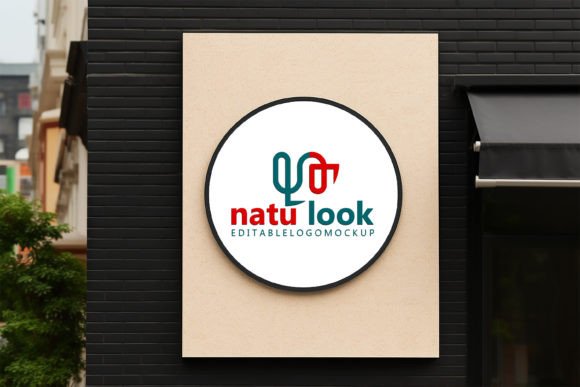
The primary value proposition of the Outdoor Circle Board Mockup lies in its ability to immerse the viewer in a tangible context. Traditional flat designs often fail to account for the curvature of materials, the reflection of ambient light, or the shadowing effects caused by surrounding structures. This mockup addresses those variables by placing the circular board within a bustling urban environment, such as a city street or a shopping mall exterior. The sleek white design of the board acts as a neutral canvas, ensuring that the focus remains on the logo or graphic being tested, while the surrounding environment provides necessary scale references.
The availability of multiple file formats is a significant practical consideration. The .Psd (Photoshop) format is indispensable for designers who need to manipulate smart objects. This allows for the seamless integration of custom logos, adjusting perspective, and tweaking lighting effects to match specific brand guidelines. On the other hand, the .Jpeg format serves a different purpose. It is ideal for rapid communication with clients who may not have design software, allowing for quick feedback loops via email or messaging platforms. This dual-format approach ensures that the tool remains accessible regardless of the user’s technical proficiency or immediate needs.
Furthermore, the inclusion of a 3D billboard design element adds a layer of lifelike presentation that static 2D images cannot achieve. This depth perception is crucial when evaluating how a sign will look from various angles, particularly in environments where viewers are in motion, such as drivers passing a storefront or pedestrians navigating a busy plaza.
Comparing Circular Boards to Traditional Rectangular Signage
When deciding between a circular board and traditional rectangular billboards or square signs, several factors come into play. Rectangular signs are the industry standard, largely due to their efficiency in maximizing surface area for text-heavy information. However, the Outdoor Circle Board Mockup highlights a different strategic advantage: distinctiveness. In a visual field cluttered with right angles and horizontal lines, a circle naturally draws the eye. This geometric contrast can be particularly effective for brands aiming to project modernity, friendliness, or inclusivity.
Consider the tradeoffs. A rectangular billboard might offer more space for detailed copy, but a circular board forces a design discipline that prioritizes iconic imagery and concise messaging. Using this mockup allows designers to test whether their logo holds up without the crutch of extensive text. If the brand identity relies heavily on a symbol rather than a wordmark, the circular format often provides a more balanced and aesthetically pleasing composition. Conversely, if the campaign requires detailed instructions or long URLs, the circular constraint may prove limiting, suggesting that a different mockup style might be more appropriate.
Another comparison point is the installation context. Circular boards are frequently associated with specific types of venues, such as boutique storefronts, art galleries, or premium retail outlets. The mockup’s setting—often depicting a clean, inviting atmosphere—reinforces this association. If a brand is targeting a mass-market, discount-oriented audience, the sophisticated vibe of a circular board might feel disconnected from the brand’s voice. In such cases, a more rugged or industrial mockup might yield better insights.
Evaluating Real-World Application and Lighting Conditions
One of the most challenging aspects of outdoor advertising design is predicting how materials will react to natural and artificial light. The Outdoor Circle Board Mockup excels in simulating these conditions. The sleek white surface of the board reflects ambient light differently than a matte black or metallic surface would. By placing the design in this context, users can evaluate contrast levels and readability under various lighting scenarios.
For instance, a logo with low contrast might disappear against the white background in bright sunlight, a flaw that is easily missed on a computer screen but becomes apparent in the mockup. Similarly, the shadowing effects created by the board’s mounting hardware or surrounding architecture can obscure parts of the design. Identifying these issues early in the design phase saves significant time and money by preventing costly revisions during the production stage.
The mockup also allows for the assessment of color fidelity. Colors often shift when viewed in different environments. A vibrant red might appear aggressive in a sterile studio setting but harmonious against the grey concrete and green foliage of an urban streetscape. By immersing the design in a realistic setting, the mockup provides a more accurate representation of the final product’s visual impact.
Decision Factors: When to Use This Mockup
Choosing the right visualization tool depends on the specific goals of the project. The Outdoor Circle Board Mockup is the optimal choice when:
- Brand Identity is Symbol-Centric: If the logo is a standalone icon, the circular frame complements the geometry, creating a cohesive visual unit.
- Premium Positioning is Key: The clean, minimalist aesthetic of the white board aligns well with luxury, tech, or lifestyle brands that value simplicity and elegance.
- Contextual Realism is Required: When stakeholders need to see how the sign interacts with a busy environment, including pedestrians, vehicles, and architectural elements.
- Quick Iteration is Necessary: The smart object features in the .Psd file allow for rapid testing of multiple design variations without rebuilding the scene from scratch.
However, there are scenarios where alternative resources may be more suitable. If the advertising medium is primarily digital, a screen-based mockup would provide more relevant insights. Similarly, if the sign is intended for a rural or highway setting where viewing distances are extreme, a mockup focused on long-range visibility and high-contrast typography might be more beneficial. Additionally, for brands with highly complex, multi-layered messages, a larger rectangular billboard mockup might offer the necessary space to communicate effectively.
Maximizing Marketing Impact Through Realistic Visualization
Ultimately, the goal of using any mockup is to reduce uncertainty. The Outdoor Circle Board Mockup transforms abstract design concepts into tangible assets that can be evaluated, critiqued, and refined. By providing a realistic preview of the sign in a bustling city or shopping center, it empowers businesses to make informed decisions about their outdoor advertising strategies.
This tool also facilitates better communication between designers and clients. Instead of relying on verbal descriptions or flat images, both parties can view the design in a shared, realistic context. This common ground often leads to more constructive feedback and faster approval processes. Moreover, the ability to showcase the brand in a variety of settings—from store outlets to shopping centers—allows for a comprehensive evaluation of the design’s versatility.
In conclusion, while no single tool can guarantee the success of an advertising campaign, the Outdoor Circle Board Mockup significantly enhances the preparation phase. It offers a blend of aesthetic appeal, technical flexibility, and contextual realism that helps brands stand out in a crowded marketplace. By carefully considering the unique strengths and limitations of this format, marketers and designers can ensure that their outdoor presence is not only visible but also impactful and aligned with their broader strategic objectives.